
Full Sail Brewing Company Amber Ale clone
Full Sail’s flagship amber ale has earned the brewery multiple awards, including more than 20 gold medals. It is a sweet, malty, medium-bodied ale with a spicy, floral hop finish.
Join BYO for a New England Beer & Baseball Adventure, Aug. 2-7, 2026 Click here for details.
Tips and recipes for regional microbrews from the Pacific Northwest. Plus, Witbier. Wee Heavey. Tripel. Schwartzbier. Gueze. Eisbock. Dry Stout. Berliner Weisse. American Pilsner – are these the 10 most difficult styles for a homebrewer to pull off? They won’t be after reading our recipes and tips for success.


Full Sail’s flagship amber ale has earned the brewery multiple awards, including more than 20 gold medals. It is a sweet, malty, medium-bodied ale with a spicy, floral hop finish.

A gueuze is a beer made from blending “old” lambics, up to three years old, with a “new” lambic that has just finished its main fermentation. The traditional mash program for a lambic is a turbid mash, involving both infusions and decoctions to step the mash through a variety of temperatures. The mash in the all-grain version is a simplified version of this.

American Pilsners have little malt flavor, hop character or body. But, these elements are balanced and there are no faults. To make a good American Pilsner, you need to make a highly fermentable, high-adjunct wort, pitch plenty of yeast and hold the fermentation temperature constant.
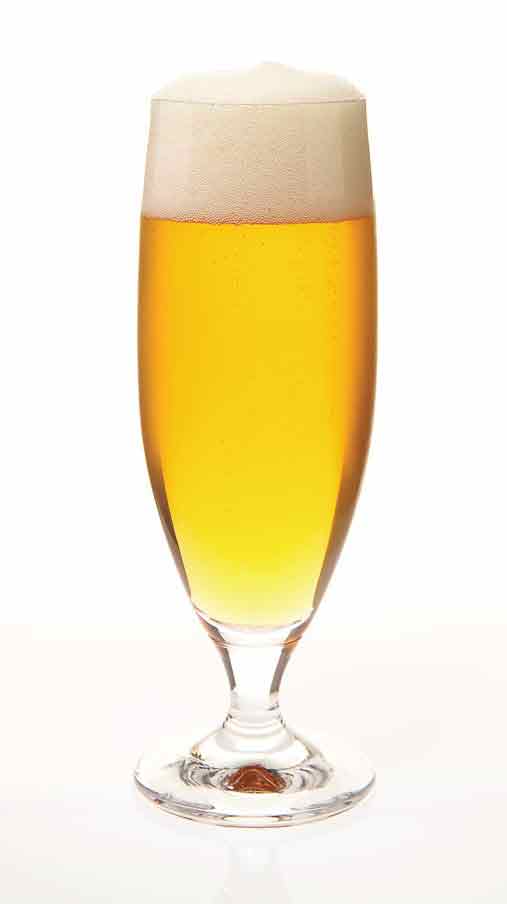
The biggest challenge to making a Berliner weisse is making a light, clean base beer, then rapidly souring it with bacteria. You need to sour the beer fairly rapidly since it’s a low gravity beer and doesn’t have a lot of alcohol to act as a preservative.
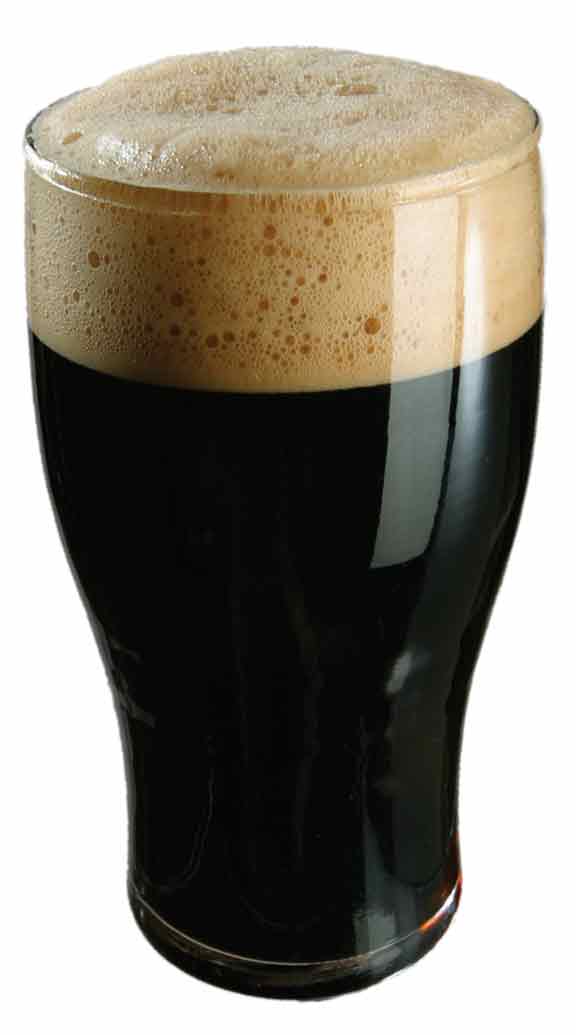
You may have been told that it is one of the easiest beers styles to make. In reality, there are several difficulties to making even a passable dry stout. The first is that there is a narrow window of acceptable roast flavors in a stout. The second difficulty is getting a dry beer. The third difficulty is that the large amount of dark roasted grains can make for an overly acidic beer.
As members of the Bock(bier) family, Eisbocks have all the characteristics of a typical strong beer, only more so. They are much maltier and smoother even than the Dopplebocks. Essentially, Eisbocks are "iced strong beers," because they are frozen at the end of their maturation period (which separates out water in the form of crystals that can be removed).
The biggest trick to making a good rauchbier is getting a clean smoke
character, one in which chlorine compounds from your water don’t react
with the smoky phenols to make odd flavors and aromas. To avoid this,
carbon filter your water and — because carbon filtration may not remove
all the chlorine compounds in your water — treat your brewing liquor
with one crushed Campden tablet per 20 gallons (76 L).
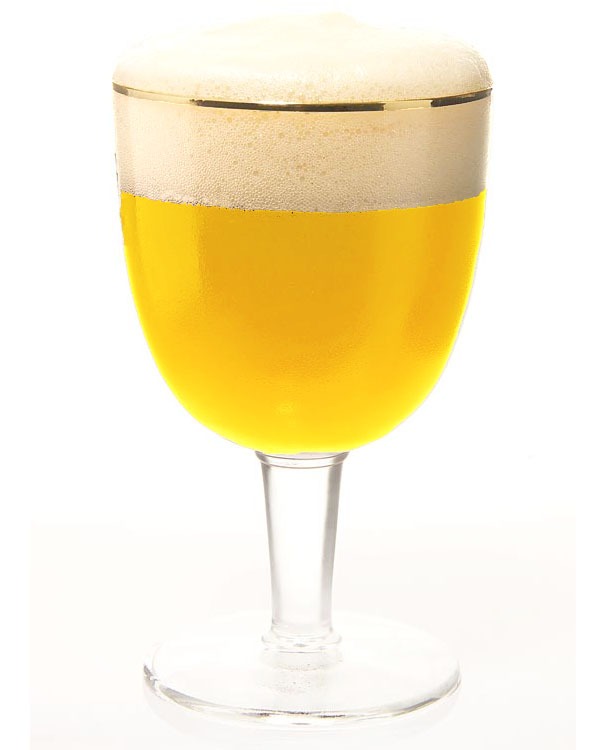
Light colors and dry finishes don’t go along with most big beers, but that’s exactly what makes a Belgian tripel great. The road to homebrew heaven is littered with failed tripel attempts, but here’s your path tom salvation — use only light base malts and about 25% clear adjunct (sugar); pitch a big yeast starter and add some yeast nutrients in the boil to supply nitrogen to the yeast.
Wee heavies are malty/sweet big ales, but don’t smell fruity as most big ales do. You need to use a yeast strain that won’t overattenuate the beer, pitch a large yeast starter and hold the fermentation temperature lower than with most ales. A Golden Promise malt for your base malt is a good choice.
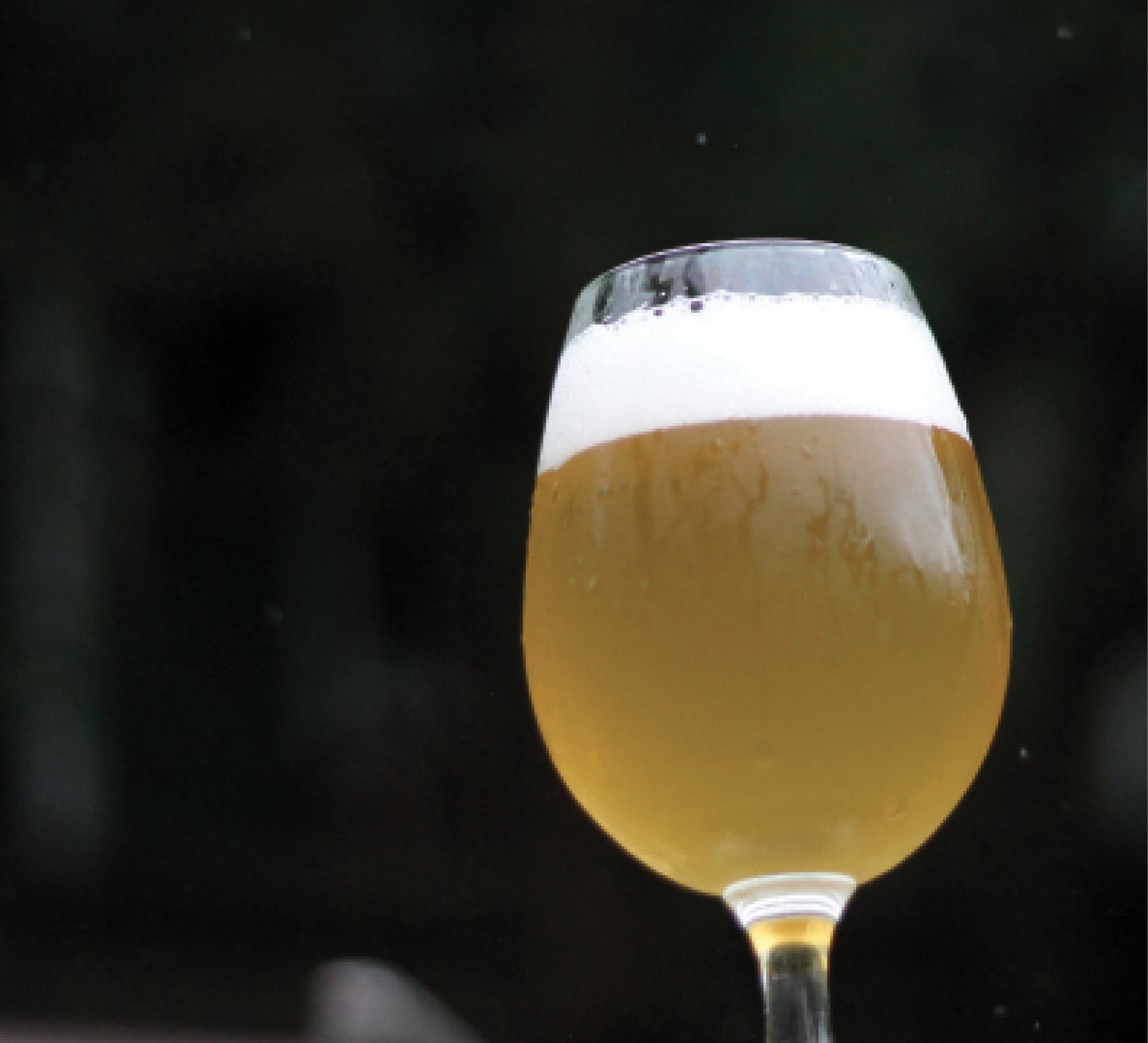
Belgian wit (white) beers are very pale, turbid beers with a balanced spiced character and a crisp “zing.” These traits make for an appealing and refreshing beer, but each of these characters also makes it potentially hard to replicate at home.

Give your yeast some breathing room and say goodbye to sluggish fermentations with proper aeration.
Build an aeration system that you can see right through.

How to improve the foam in your next glass of homebrew.
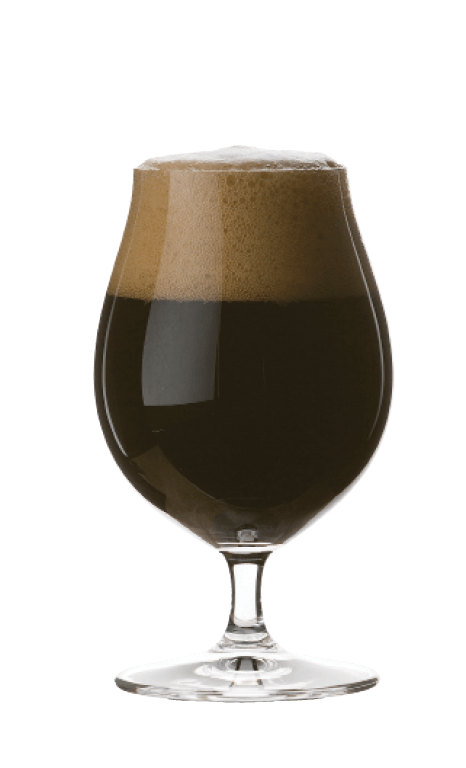
Get tips on how to brew this behemoth brew from two commercial comrades.
Witbier. Wee Heavey. Tripel. Schwartzbier. Gueze. Eisbock. Dry Stout. Berliner Weisse. American Pilsner – are these the 10 most difficult styles for a homebrewer to pull off? They won’t be after reading our recipes and tips for success.

Are you an extract brewer who needs help making hoppier homebrew? Find out what factors influence hop bitterness and what you need to do to reach your target IBUs. Also, identify the beer styles you can successfully brew given your homebrew equipment and procedures.