
Serving Cask-Conditioned Ale
An easy to follow guide to getting your homebrew served on cask.
Join BYO for a New England Beer & Baseball Adventure, Aug. 2-7, 2026 Click here for details.

Homebrewing is a great hobby…and kegging makes this great hobby even better by freeing brewers from the tedium of having to clean and sanitize a seemingly endless number of bottles per batch of beer. We’ll get you started.
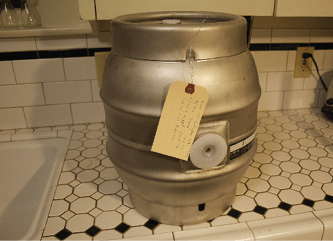
An easy to follow guide to getting your homebrew served on cask.


You have your kegerator set up and running smoothly; your friends love to drop by and drink your homebrew on tap. But now you (and they) want to bring your finely crafted brew out and about to parties, picnics, and other social gatherings. You could build a portable kegerator, but there is a cheaper and simpler alternative that also opens up the possibility of serving multiple kegs on the go: a jockey box.
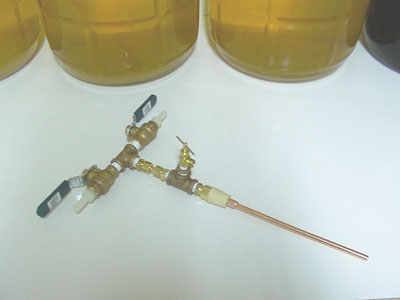
The main challenges of counter-pressure bottling are to retain the beer’s carbonation and minimize its exposure to oxygen during the transfer. When performed correctly, almost all of a beer’s carbonation is retained when it is counter-pressure bottled. Likewise, with a little practice, the beer can be transferred with minimal exposure to oxygen. Learn how with pointers found here.

A properly set up and maintained home dispensing system allows you to pour correctly carbonated beer that has the appropriate head and appearance for style. However, it can also be the source of frustration if things are not done right. Learn how to properly set up and maintain your draft system.
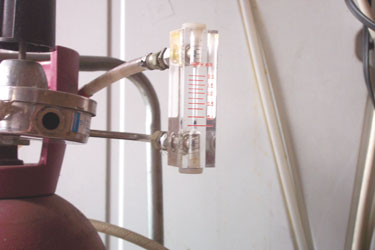
Techniques and pointers for force carbonating your beer, including a carbonation chart to get your desired CO2 level dialed in.

Mini-kegs are an option for homebrewers looking to avoid bottling, but who don’t have the space for a full kegging system.

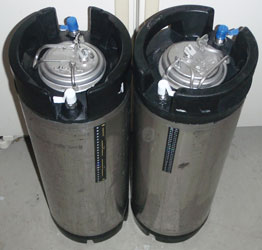

Thinking about moving to a kegging system? Learn the pros and cons of kegging your beer, the required equipment, some of the basic carbonation techniques, and the key concepts for those new to draft systems.
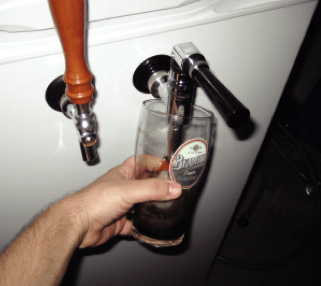
The amount of carbonation in bottle-conditioned homebrew is dependent on two things — the residual level of carbon dioxide after fermentation and the amount of carbonation obtained from the priming sugar. To get the level of carbonation you desire in your homebrew, choose a level of carbonation (from Section A) and subtract the amount of […]

Build your own draft tower from PVC piping for a fraction of the price of a new one. This project is quick and easy, yet still looks great and works perfectly.
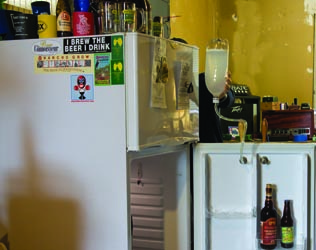
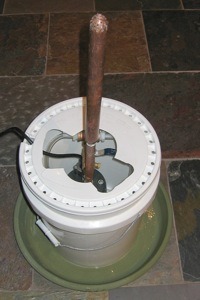
Keep your kegs and carboys clean with this bucket-based spray cleaner.

With this homemade spunding valve you can naturally carbonate your homebrew by capturing the carbon dioxide produced late in fermentation just like many pros do on the commercial side.
Want to bottle sediment-free beer from your keg? With an hour of your time and $30 worth of parts, you can make your own counter-pressure bottle filler.