
Rustic French Ale
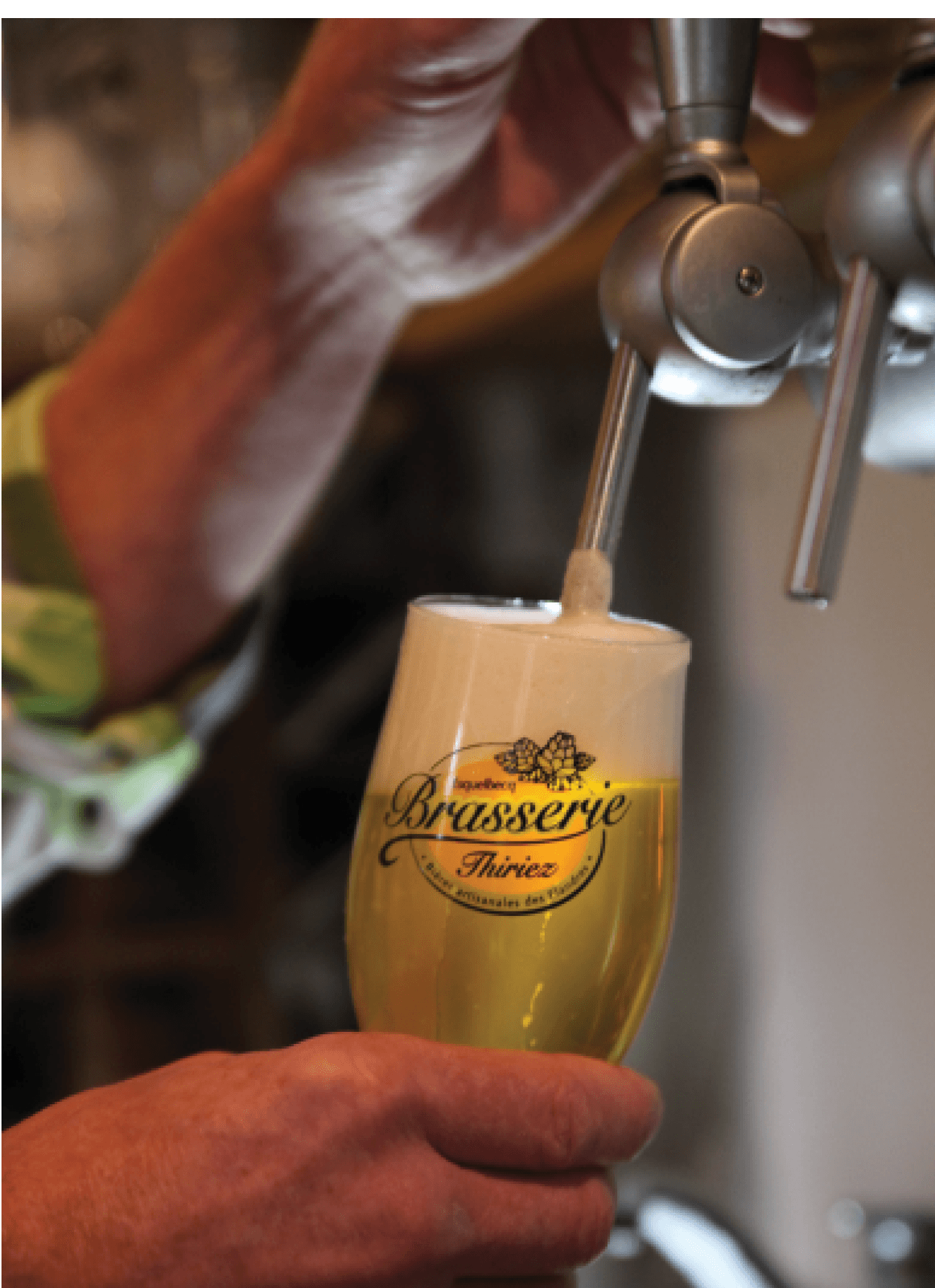
This recipe will create a French-style ale that is similar to Brasserie Thiriez’s Blonde d’Esquelbecq. Brewer Daniel Thiriez recommends using French Pilsner malt if you can source it.
Join BYO for a New England Beer & Baseball Adventure, Aug. 2-7, 2026 Click here for details.

Spring beer is a riot of diversity, showcasing the best of our hopes (hops?) for warmer weather alongside amber beers that still retain a hint of heft leftover from winter and still others that feature ingredients from a changing season. Here are five clone recipes that embody the spring season.

This recipe will create a French-style ale that is similar to Brasserie Thiriez’s Blonde d’Esquelbecq. Brewer Daniel Thiriez recommends using French Pilsner malt if you can source it.

Make barcodes for your beers and make it easy for people to rate your beers on Untappd. It should be noted that you can use different styles of barcodes to go to a specific website, which is good if you want to use something instead of Untappd, promote your homebrew club, or maybe for a homebrew competition advertisement.

Co-owner Chris Andrus wants to make it clear that “this is NOT a novelty beer.” Label Up is “first and foremost a brown ale.” The maple and pecan flavors are not intended to create an overly-sweet palate and should not prevent anyone from enjoying multiple pints of it!

Spring beer is a riot of diversity, showcasing the best of our hopes (hops?) for warmer weather alongside amber beers that still retain a hint of heft leftover from winter and still others that feature ingredients from a changing season. Here are five clone recipes that embody the spring season.
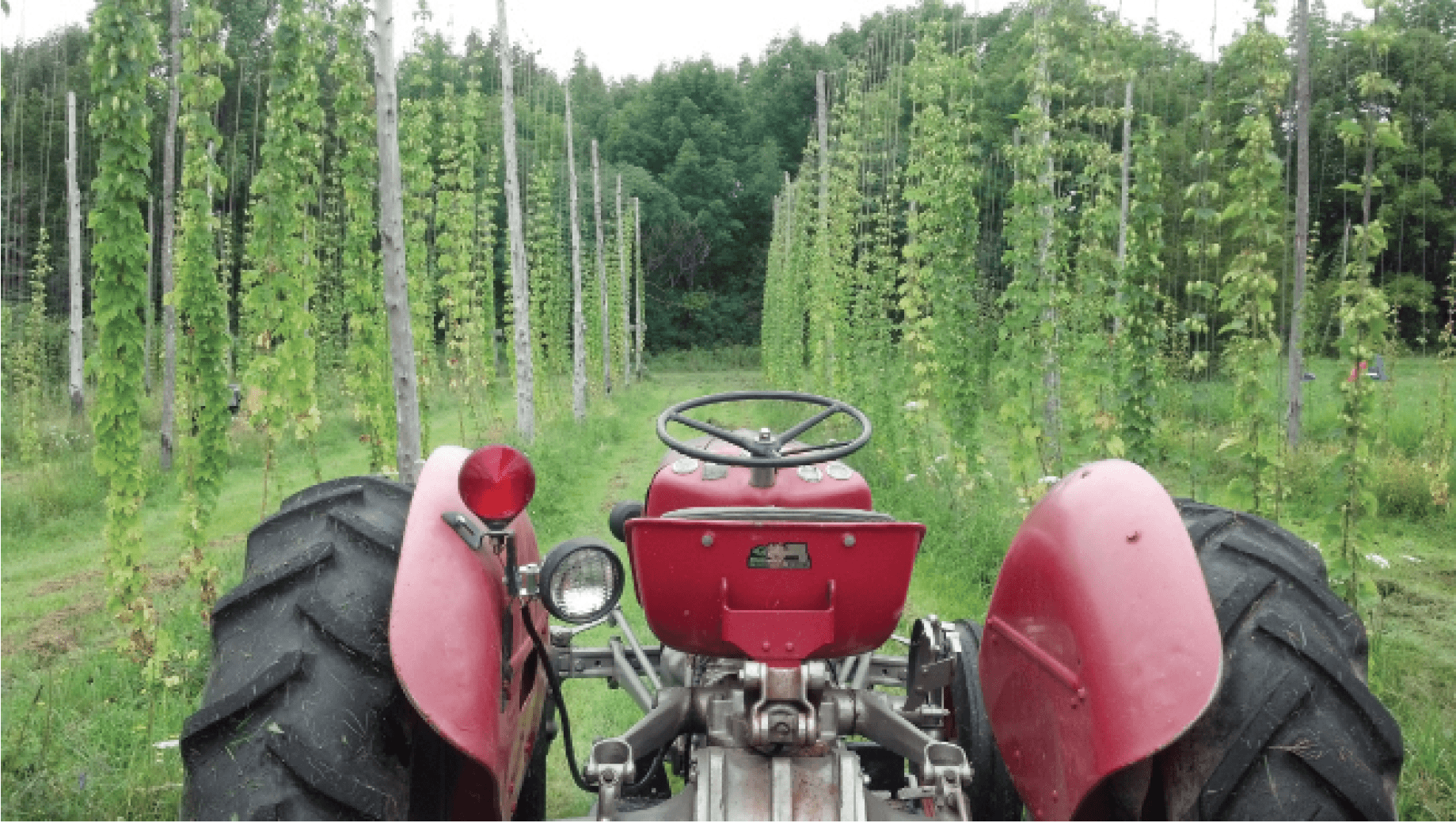
A professional hop grower shares his tips for growing hops in your backyard.

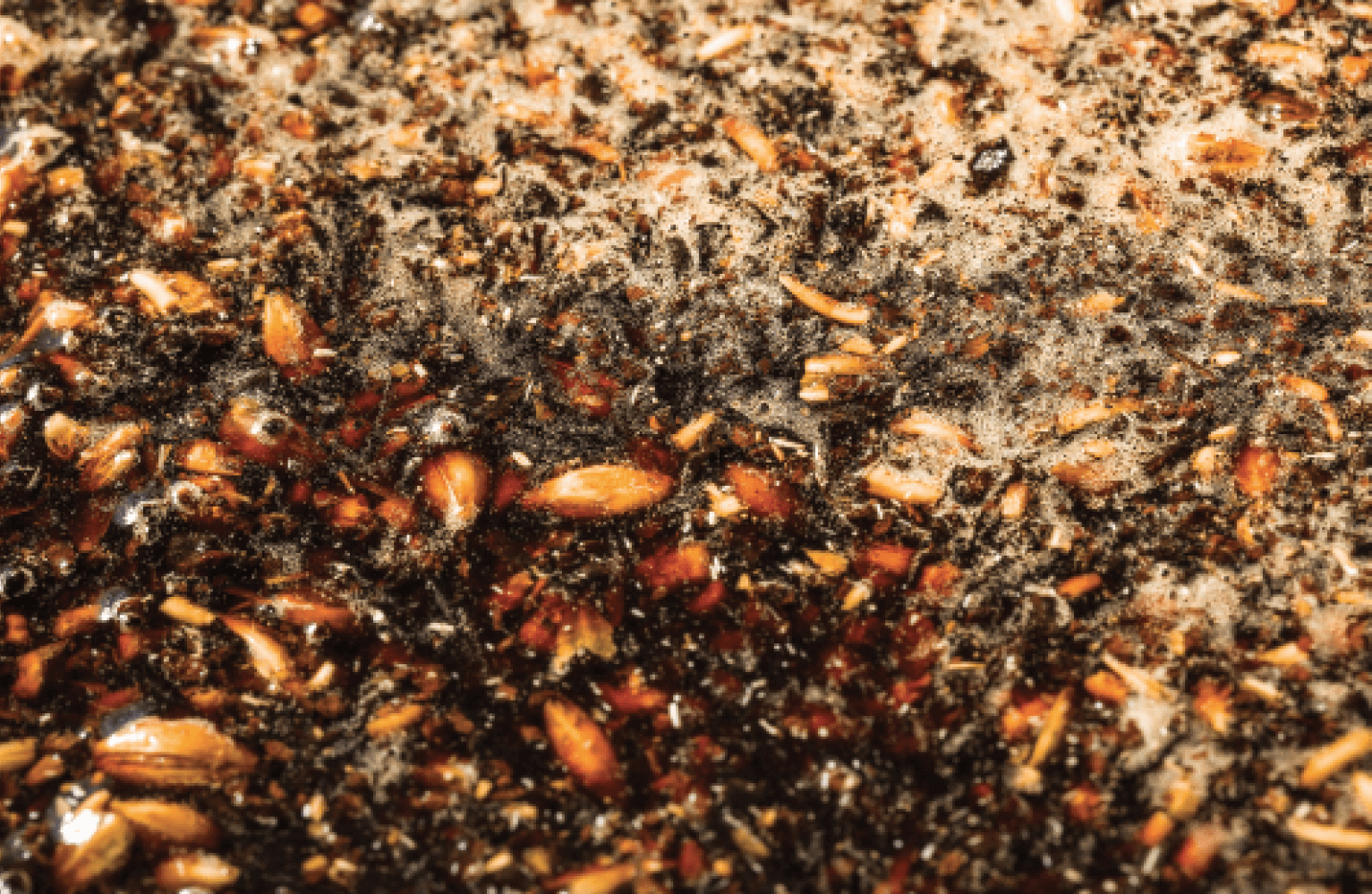
Steeping specialty grains is a common practice for many homebrewers, particularly those who brew extract or partial-mash recipes. As with many things in the beer brewing process, there are trade-offs to be made in time, labor, extract efficiency, flavor, color, body and foam when we compare one approach of brewing with specialty grains to another. […]
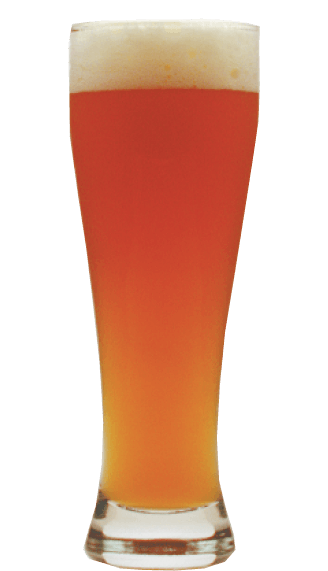
They don’t get the attention that some non-traditional ingredients may receive (like fruit beers), but nuts of all kind make for fun brewing ingredients. Get tips on the types of nuts (and their various forms from chopped to extracts) to use, as well as when and how to use them from three pros who aren’t afraid to go a little nuts.
Your first exposure to New Zealand hops may have begun with Nelson Sauvin in the early 2000s, but the hop industry down under actually dates back almost 200 years.

Blend homebrews to create historic styles like gueuze or a third beer from two different batches.
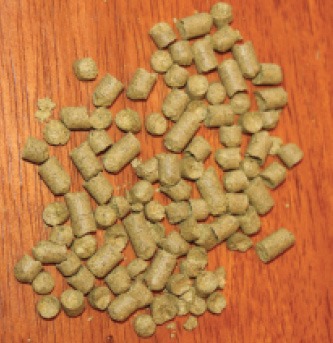
The Wizard explains how hop pellets are made and the effect different types of light have on wort and beer.
Homebrewing experts weigh in on and debate the merits of immediate wort chilling, decoction mashing, dry hopping, and brewing pumpkin beers.
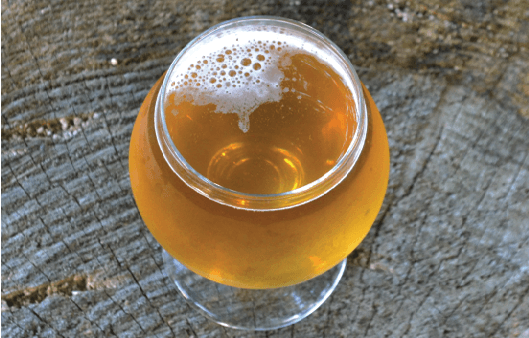
This Gueuze is a typical, traditional Belgian-style recipe. Brew frequently throughout the year cellaring your Gueuze for months to years. After a year, if you have at least 3 batches of different ages, you can begin experimenting with blending. Your best option is to test your patience and begin blending after 3 years with a minimum of 3 batches.