
2018 Label Contest Winners
The top homebrew labels are revealed in Brew Your Own magazine’s 23rd annual label contest.
Join BYO for a New England Beer & Baseball Adventure, Aug. 2-7, 2026 Click here for details.
Maximize hop aroma and flavors with hop bursting, whirlpooling, dry hopping, and other late hop addition techniques.
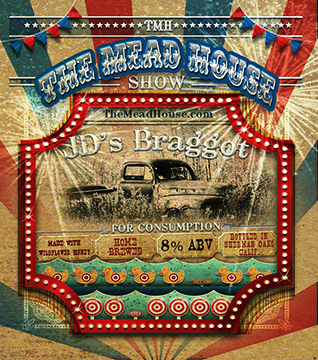
The top homebrew labels are revealed in Brew Your Own magazine’s 23rd annual label contest.

This tart cherry mead uses 2 gallons (8 L) of tart cherry juice and finishes at 15.5% ABV.

High-gravity fruit meads — or melomels — can be a tricky style to brew when starting gravities are often above 1.140. Learn the best techniques to brew and ferment your next melomel, as well as advice for choosing the best fruit.
A blackberry mead made from 16.7 lbs. (7.6 kg) of blackberries and rings in at 15.1% ABV.

Wine isn’t the only beverage that can get better with age. Here’s why (and how) certain beer styles evolve with time, plus tips and keys to make a beer worth cellaring.

The way in which craft brewers and homebrewers are utilizing their hop additions has changed dramatically over the last couple of decades. From hop bursting to hopstands, hopbacks to dry hopping, get in the know about all of the latest popular hopping techniques.
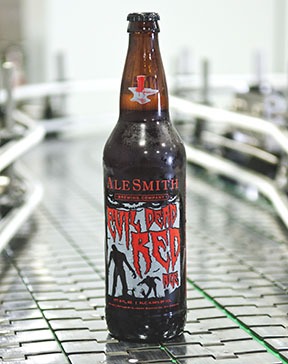
Evil Dead Read utilizes a hop burst technique to provide tons of aromatics thanks to ample American hops added late in the boil without a true bittering hop charge.

Using a whooping 5.5 lbs. (2.5 kg) of hops per barrel, Revolution Brewing’s Louie Louie it was a hop bomb, but should not technically have any “IBUs” based on isomerized alpha acids.
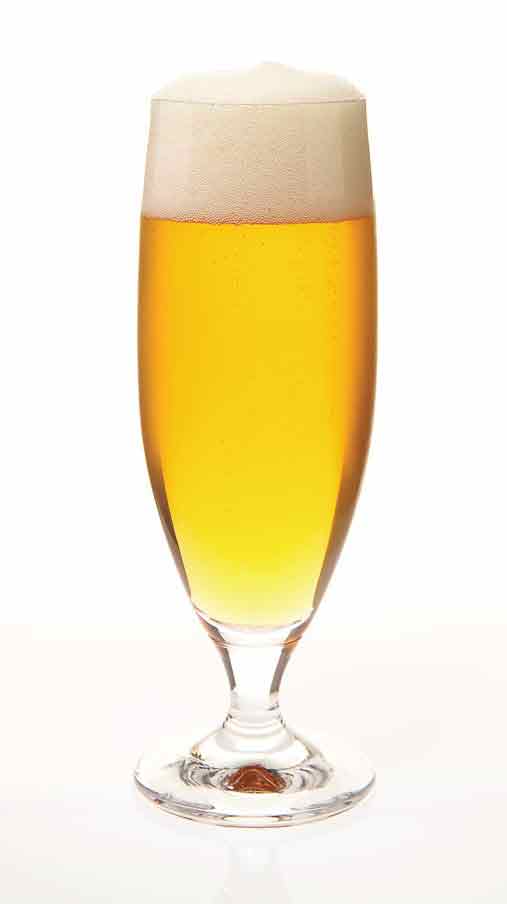
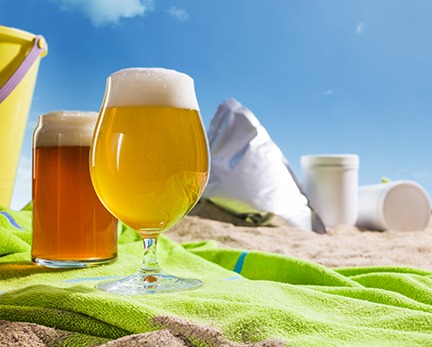
Summer is a time to brew lighter, more refreshing beers. Fortunately, there’s no shortage of styles that fit the bill. From 10 homebrew retailers, we share 10 easy-drinking and easy-to-brew summer beer recipes.

The beer is an easy drinking IPA with a restrained bitterness. The Australian and New Zealand hops impart bright flavors and aromas of tropical and citrus fruits. We think of it as sunshine in a glass, a perfect beer for summer.

A well-brewed Bavarian hefeweizen is one of the finest beers to enjoy on a warm summer day while the barbecue is going.

The best selling beer at Kernel Brewery (London, England) is their table beer, which is a well-balanced session ale with a great hop presence, smooth body, and a surprising hoppiness for a 3.3% ABV beer.

Hippie Farm is a light and refreshing saison that marries the flavors of a simple, traditional farmhouse-style saison with hints of lemon and lavender.

A little stronger than your typical pale ale and not as hoppy as some IPAs, this is an easy-drinking brew that’s great for the summer.

Already a dry, thirst-quenching style, this saison is brewed to a more sessionable ABV so you can drink a couple on a hot summer day without wiping yourself out.
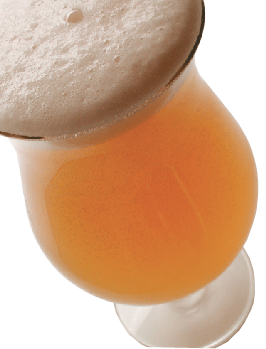
This recipe is a light wit with a magnified dry finish due to the light addition of ginger.
The Mandarina Bavaria hop produces distinct fruity, citrusy flavors of tangerine and when combined with tangerine peel adds a fresh fruit aroma to this beer that gives it a wonderful summertime appeal.
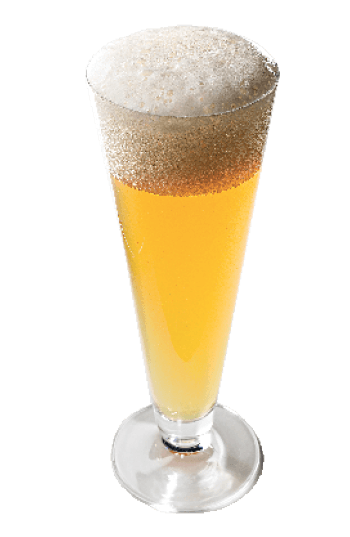
This recipe is our play on the traditional Gose and is a big hit with our customers every time it comes out in the summer.

Hot summer temperatures can make chilling and fermenting more difficult, but with these techniques you won’t need to sweat it when things heat up.
Often touted with pride amongst the brewing community is the fact that brewing is both an art and a science – well this veers well into the art territory.

For those that brew indoors, all the steam from your boil kettle can cause problems, especially if you live in a humid climate. Find out how to build your own steam condenser for your brew kettle.
Recipe author Gordon Strong states, “My recipe is towards the upper end of the strength range for the style since I don’t think of the style as purely a summer quencher. Feel free to scale it down to around 4.5% ABV if you do want it more sessionable.”
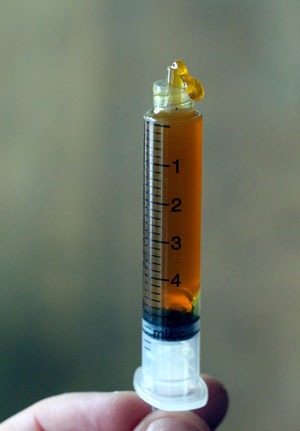
These hop extracts roughly fall into two categories, those primarily intended to add bitterness and those where aromatics are the goal.

The vanilla helps to make a more sherbet-like balance. You can add lactose to taste at packaging if you want more sweetness. The hop extract increases head retention, improving the perceived creaminess of the body and appearance of the beer. Lowering the pH before souring reduces protein breakdown by the bacteria, improving body and head retention.

The one thing all beer ingredients have in common is that they’re a perishable product.
The overall impression for the style is refreshing, often dry and somewhat crisp, highly carbonated, with a bready wheat flavor and a complementary hop character.

Proteins from grains react with polyphenols from grain and hops, and when this happens the protein-polyphenol complex causes light to scatter and the beer to appear hazy.

Slow Pour Pils is aptly named due to the 5-min duration that a proper, multi-step pour of it demands. What you’ll be rewarded with is a strikingly clear, straw-colored beer served in Bierstadt’s trademarked tall, narrow glass. Search as hard as you’d like, you won’t find a fault. Instead, the high-quality German Pils malt and hops, specifically Hallertau Mittelfrüh, shine brightly. Dry biscuit, crackery malt, and hints of honey more than support the white pepper and floral hops. It’s decidedly bitter with a dry, crisp finish that encourages the drinker to immediately take another sip.

Carbonating while a beer is in a bottle, also know as bottle priming or conditioning, is the most common carbonation method for beginner homebrewers. But also many experienced homebrewers and commercial breweries utilize this technique as well.

Pelican Brewing Co. from Cannon Beach, Oregon created the first modern beer recipe I heard about in which the first hopping addition was after flameout. This is the perfect summer beer to enjoy on the water.