Join BYO for a New England Beer & Baseball Adventure, Aug. 2-7, 2026 Click here for details.


September 2021
September 2021 — Best Yeast Practices, Yeast Wrangling, Rauchbier, Hop Extracts, Scottish Export Ale, Yeast Selection, and Creating Hybrid Yeast Strains.
In this issue
-
 mr-wizard
 -
 project
Kegerator Tower Cooling: An alternative chilling system
A homebrewer came up with a clever way to utilize highly thermoconductive copper metal to keep his kegerator’s tap tower and faucets cold.
-
 article
Space Beer: To the edge of our world and back
What would you send into space if the opportunity afforded it? One homebrewer sent a sachet of yeast and then conducted a test with it. Find out how the Space Yeast performed. Spoiler alert: They didn’t go to plaid.
-
 article
Brewhouse Considerations: Digging into the details
One of the most important decisions a new brewery needs to land upon is the size of their brewhouse. John Blichmann explains some of the considerations one needs to make.
-
 recipe
Gordon Strong’s Scottish Export
This recipe can easily be scaled down to make a Scottish heavy, say at 3.5% ABV, or scaled up to a stronger but still export strength 5.2% beer. Pick the alcohol level you want, and let your recipe software do the work for you to scale it.
-
 article
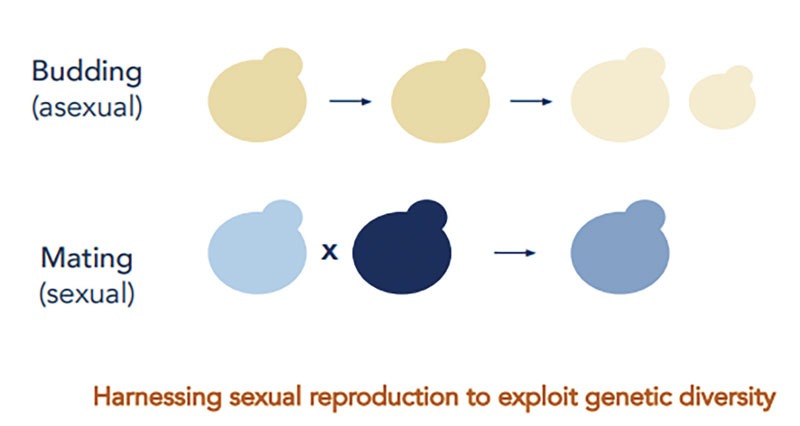
Yeast Hybrids: Recreating our favorite strains . . . with a twist
A new wave of yeast strains have recently been developed by yeast labs, using sexual reproduction to mate the best characteristics of our favorite strains. Learn about their potential.
-
 article
Brewing A West Coast IPA: The anti-haze
“Juicy” IPAs are not universally loved by beer fans. The West Coast IPA offers drinkers a more biting and clear rendition of the hop bomb. Get some pointers on brewing one yourself.
-
recipe
Denny’s Generic West Coast IPA
You want a clear, refreshing beer with a bracing bitterness and loads of hop flavor and aroma. No thick, low bitterness beers that taste like orange juice.
-
 article
Scottish Export: The pale ale of Scotland
An often misunderstood style here on this side of the Atlantic, shilling ales should be sessionable and refreshing. Gordon Strong explores Scottish export ales.
-
mr-wizard
The Intricacies of Shelf Stability
-
 article
Selecting A Fermenter And The Intricacies Of Shelf Stability
With a plethora of options available to homebrewers, selecting a fermenter is not a simple task. Mr. Wizard explores some of our options as well as how to stabilize beverages that have been sweetened just prior to packaging.
-
 recipe
Fat Head’s Brewery’s Imperial Porter
Their Imperial Porter showcases Brewmaster Matt Cole’s talents for packing a punch with flavor, while creating balance and a true depth of flavor.
-
 article
Fat Head’s Brewery
The Replicator heads to Cleveland, Ohio to get the skinny on a highly sought-after brewery with an amazing portfolio.
-
 article
Tasting Your Homebrew Critically
Being able to taste your own homebrew critically is an important step towards improving. Learn some basics to this skill.
-
 article
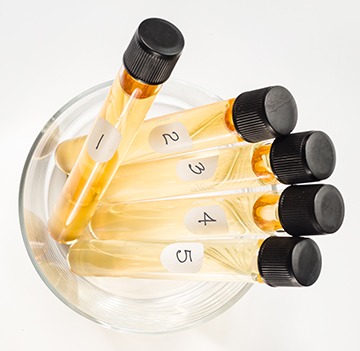
Yeast Selection: Tips From the Pros
With so many yeast strains available from yeast labs, how should a homebrewer go about choosing which one to use? We asked two pros for their best pointers.
-
 article
Hop Extracts
Substituting hop pellets with CO2 hop extract increases yields and can produce cleaner, brighter beer while maintaining hop varietal character. Learn more about how hop extract is made and how to use it in your brews.
-
 article
Get the Most from Your Yeast
Yeast can make or break your recipe. A number of factors must be considered when choosing yeast, and then you need to provide the best conditions in order to get the best results.
-
 article
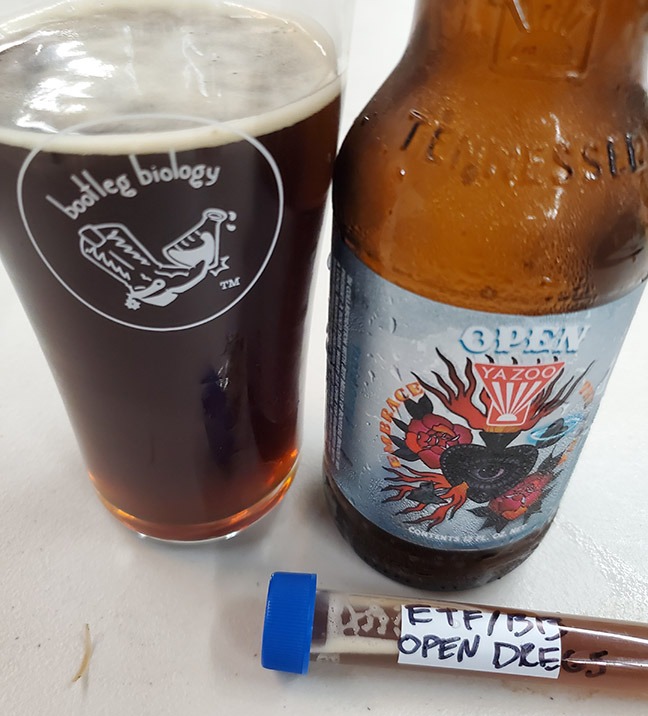
Yeast Wrangling
One of the biggest ways commercial brewers save money is by reusing yeast from one batch to another. There is no reason homebrewers shouldn’t be doing the same thing. We share how to harvest yeast from a previous batch, as well as collecting yeast samples from commercial beers.
-
 recipe
Wheat Beer Two Ways
-
 article
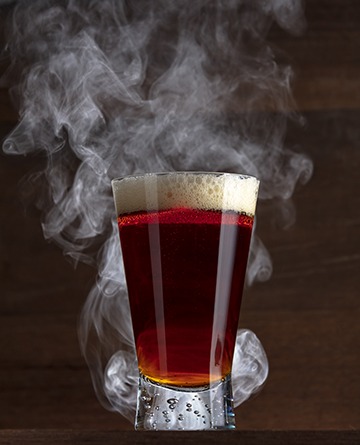
Up in Smoke
Rauchbier is the most famous beer brewed with smoked malt. Scott Burgess fell in love with the style while living for a decade in the rauchbier epicenter of the world — Bamberg, Germany. He explores the differences between some of the best examples and shares how homebrewers can brew their own rauchbier.
-
 recipe
Bierkeller Rauchbier Clone
Bierkeller Rauchbier captures some of the depth of smokiness and dryness (and color) of Schlenkerla’s famed rauchbier as well as some of the rusticity and sweetness of the beer brewed at Spezial (especially their Märzen).