Join BYO for a New England Beer & Baseball Adventure, Aug. 2-7, 2026 Click here for details.

September / October 2024

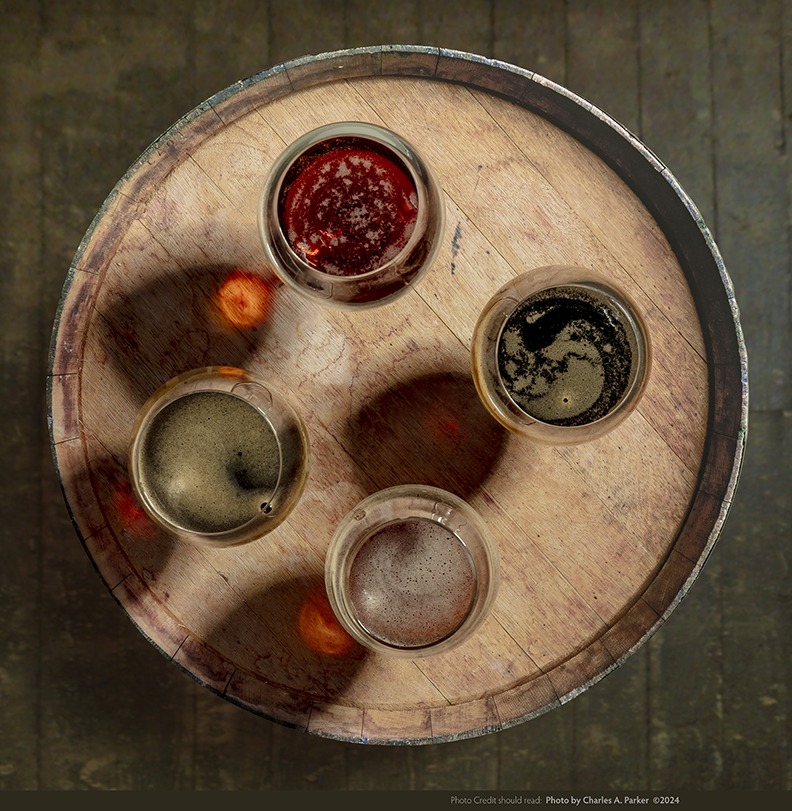
Barrel aging contributes to the complexity of many of the world’s most sought-after-beers. In this issue, we talk with four pros in charge of barrel programs of various sizes about the barrel-aging process, and each offers a clone recipe for one of their barrel-aged offerings. Plus, we explore how to understand and use water reports to help you brew better beer.

In this issue

  • article

    The Secrets to Freezing Yeast

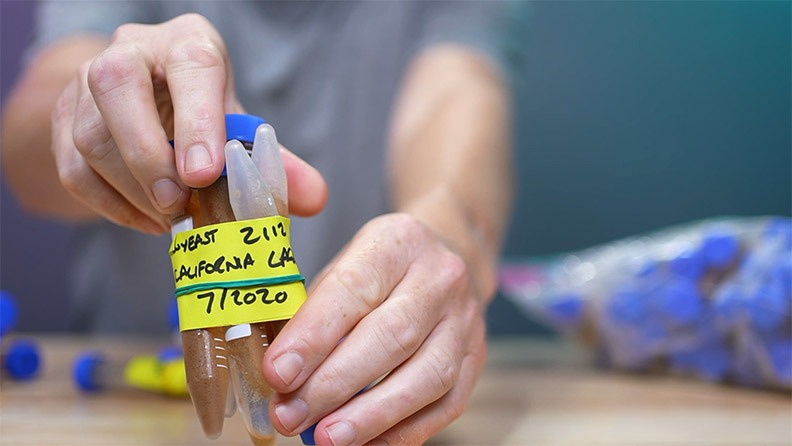
    The cost savings of reusing yeast is significant, but a downside is that you have to brew your next batch before the viability of the yeast greatly declines. However, you can freeze the yeast, which will keep it usable for years. Special precautions need to be taken as just tossing a pouch of yeast in the freezer will rupture cell walls and kill it. This is why you need a cryopreservative. Learn how to freeze yeast correctly. With a bit of preparation and minimal equipment, you too can have a large yeast bank in your freezer to choose from whenever you want to brew your next batch.
  • article

    Using Barrel Alternatives

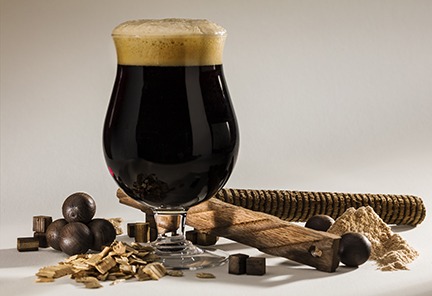
    Oak barrels aren’t the only way to add oak character to your homebrews. Two experts share their advice for getting the most from barrel alternatives such as spirals, staves, chips, and cubes.

  • article

    Fauxlera Barrel Blends

    Solera aging requires multiple barrels, with the ones on the bottom being drawn off occasionally and then topped up with beer from the barrels above and new beer being added to the mix at the top. It creates a multi-vintage blend from various batches. Since most hobbyists don’t have multiple barrels to dedicate for such a purpose, one homebrewer offers his is own approach — a fauxlera, if you will.

  • article

    Oak It Up

    Barrel aging contributes to the complexity of many of the world’s most sought-after beers. We query four pros in charge of barrel programs of various sizes about creating barrel-aged beers. Each also offers us a clone recipe for one of their barrel-aged offerings.

  • article

    Balancing a Draft System

    Balancing your home draft system requires getting just three things correct: Temperature, pressure, and resistance.

  • article

    Infrastructure Needs for Nanos

    There are a lot of infrastructure-related things to consider when choosing a location for your nanobrewery. Understanding these before signing a contract can save you loads of time and money in the future.

  • article

    Frost Beer Works

    Frost Beer Works in Hinesburg, Vermont, is best known for its hazy IPAs, but it was a fall seasonal that won the hearts of a couple who toured breweries across the Northeast on their “beermoon” a few years ago.

  • article

    Understanding Water Reports

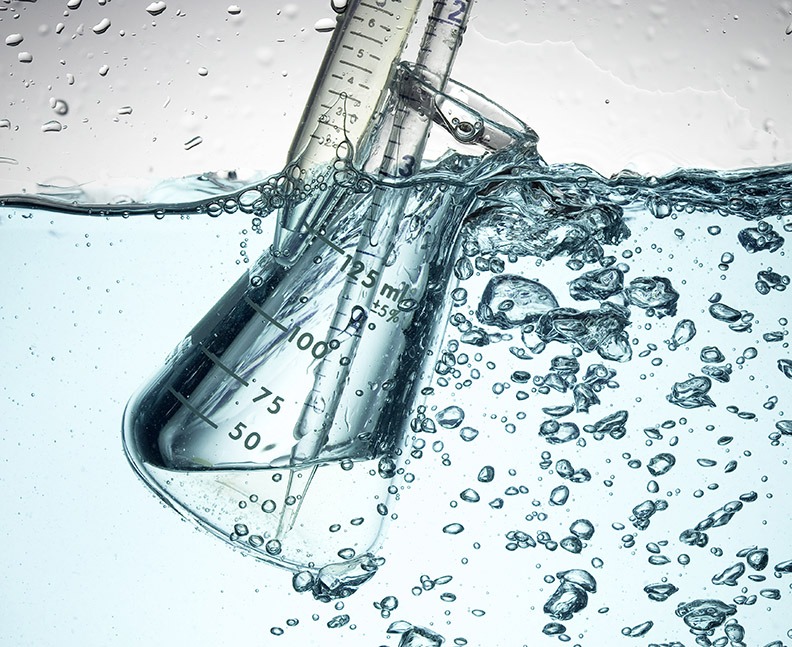
    Adjusting your water to accentuate the beer style you are brewing begins with understanding what is already in the water you use. One of the easiest places to start is with your local water report that should have all of the information you are in search of, with some important caveats.

  • article

    Old Ale

    Old ale is a style that is difficult to define given how many variations there are. Gordon Strong does his best to offer some guidelines around what it is and how to brew an old ale worthy of aging.

  • article

    Yeast Slants, Candi Sugar, & Cold Crashing

    The Wizard answers questions about creating yeast slants and building up a population of yeast from them. He also defines and offers advice around candi sugar and cold crashing.

  • article

    Trip of a Lifetime

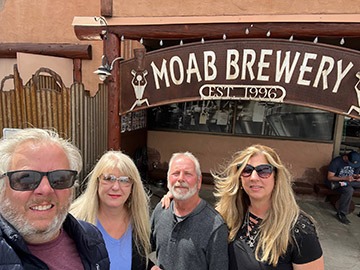
    A recent retiree’s bucket list includes visiting breweries in all 50 U.S. States and diving deeper into his homebrewing hobby. Combining the two turns into the trip of a lifetime.

  • recipe

    Frost Beer Works’ Fall Ale Clone

    Fall Ale is an American strong ale made with heritage crystal malt, rye, and oats, that tastes like Autumn in New England.

  • recipe

    Gordon Strong’s Old Ale

    This old ale recipe can be drank young, but may be best if cellared for 6+ months.

  • recipe

    3 Sons Brewing Co.’s Summation Clone

    This is the base recipe for Summation, which 3 Sons often brews variations of with added flavors like coffee, vanilla, and more. If you wish to create a variation with adjuncts, add after barrel aging.

  • recipe

    Cerebral Brewing Co.’s Standard Practice Clone

    Stouts and barleywines aren’t the only styles you should consider aging in barrels. This helles lands on the other end of the flavor intensity threshold and is perfect for any occasion. This beer received a gold medal in 2022 at the Festival of Barrel Aged Beers.

  • recipe

    Firestone Walker Brewing Co.’s Parabola Clone 

    Parabola is arguably Firestone Walker’s most notorious barrel-aged beer and is released as a vintage beer each year. This imperial stout is thick with bold yet balanced flavors of chocolate, charred oak, vanilla, black cherry, and coffee.

  • recipe

    Mortalis Brewing Co.’s Ophion Clone 

    This is the base recipe for Ophion, which Mortalis has released numerous variants of over the years with differing aging times and occasional adjunct additions like vanilla beans, coconut, and more.

  • recipe

    Solera Saison

    A saison great for barrel aging and brewing time and time again when a portion of the barrel is drawn off.

  • Orange question mark over a beer Mr. Wizard logo.
    mr-wizard

    Building a population from yeast slants

  • Orange question mark over a beer Mr. Wizard logo.
    mr-wizard

    What is candi sugar?

  • Orange question mark over a beer Mr. Wizard logo.
    mr-wizard

    What does “cold crashing” mean?