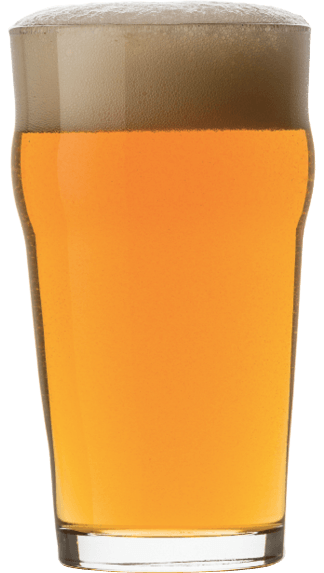
Devil’s Backbone Brewing Co.’s Morana clone
In December 2010, head brewer Jason Oliver of Devil’s Backbone Brewing Co. of Roseland, Virginia collaborated with Alistair Reece, homebrewer and beer blogger (http://www.fuggled.net/), on a traditional double-decocted tmavé. Reece penned the recipe and named the beer for the Slavic goddess of death and renewal. Oliver has won an astonishing amount of brewing medals and is a staunch proponent of decoction mashing (see inset), and Weyermann floor malted Bohemian Pilsner malt.
Devil’s Backbone Brewing Co’s Morana clone, All-Grain
(5 gallons/19 L, all-grain)
OG = 1.056 FG = 1.016
IBU = 24 SRM = 26 ABV = 5.3%
Ingredients
8.75 lbs. (4.0 kg) German or Czech Pilsner malt
1.25 lbs. (0.57 kg) CaraBohemian® (CaraMunich® I) malt
1.25 lbs. (0.57 kg) German Munich malt
0.45 lb. (0.20 kg) Carafa® Special II malt
5.3 AAU Saaz hops (60 min) (1.3 oz./38 g of 4% alpha acids)
2.2 AAU Saaz hops (20 min) (0.55 oz./16 g of 4% alpha acids)
0.375 oz. (11 g) Saaz hops (5 min)
Wyeast 2782 (Staro Prague Lager) yeast (7 qt./6.5 L yeast starter)
3⁄4 cup (150 g) dextrose (if priming)
Step By Step
Ideally you should employ a step infusion or decoction mash with rests at 126 °F (52 °C), 144 °F (62 °C), 154 °F (68 °C) and 162 °F (72 °C). If your equipment (or social demands) limit you to a single infusion, mashing 60 minutes at 152 °F (67 °C) is adequate.

Boil the wort for 90 minutes, adding hops at the times indicated. Chill to 46 °F (8 °C). Oxygenate with pure oxygen for 60 seconds. Pitch a large starter of the yeast, or multiple vials to reach at least 350 billion cells.
Ferment for 10 days keeping the temperature of the wort at 50 °F (10 °C). As fermentation slows, raise the temperature for a diacetyl rest to 60 °F (16 °C). When the final gravity is reached, and there is no perception of diacetyl, chill the wort to 32 °F (0 °C) for two months of lagering. If you want to barrel age the beer, do so before lagering. Carbonate to 2.4 volumes of CO2.
Devil’s Backbone Brewing Co’s Morana clone, Extract with Grains
(5 gallons/19 L, extract with grains)
OG = 1.056 FG = 1.016
IBU = 24 SRM = 26 ABV = 5.3%
Ingredients
3.6 lbs. (1.6 kg) Pilsner dried malt extract
2.5 lbs. (1.1 kg) Munich liquid malt extract (late addition)
1.25 lbs. (0.57 kg) CaraBohemian® (CaraMunich® I) malt
0.45 lb. (0.20 kg) Carafa® Special II malt
5.3 AAU Saaz hops (60 min) (1.3 oz./38 g of 4% alpha acids)
2.2 AAU Saaz hops (20 min) (0.55 oz./16 g of 4% alpha acids)
0.375 oz. (11 g) Saaz hops (5 min)
Wyeast 2782 (Staro Prague Lager) yeast (7 qt./6.5 L yeast starter)
3⁄4 cup (150 g) dextrose (if priming)
Step By Step
Place crushed grains in a large steeping bag and steep for 60 minutes at 152 °F (67 °C). Add dried malt extract and enough water to make at least 3.0 gallons (11 L) and bring wort to a boil. Boil the wort for 90 minutes, adding hops at the times indicated. Add liquid malt extract with 15 minutes left in the boil. Chill to 46 °F (8 °C) and transfer to fermenter.
Top up to 5 gallons (19 L) with cool water. Oxygenate with pure oxygen for 60 seconds. Pitch a large starter of the yeast, or multiple vials to reach at least 350 billion cells. Ferment for 10 days keeping the temperature of the wort at 50 °F (10 °C). As fermentation slows, raise the temperature for a diacetyl rest to 60 °F (16 °C). When the final gravity is reached, and there is no perception of diacetyl, chill the wort to 32 °F (0 °C) for two months of lagering. If you want to barrel age the beer, do so before lagering. Carbonate to 2.4 volumes of CO2.